Written by Dr. Brandie Freeman, PT, DPT
Pregnancy is magical. It is also sweaty, unpredictable, and occasionally involves peeing a little when you laugh. Your body is doing an incredible amount of work. The pelvic floor is those muscles at the base of your pelvis that support your bladder, bowel, and uterus, is right in the middle of it all. Pelvic floor therapy during pregnancy isn’t about fixing you. It is about helping your body adapt to load, pressure, hormones, and a rapidly changing center of gravity without everything feeling like it is falling apart.

Here are 10 research supported reasons to consider pelvic floor therapy while pregnant.
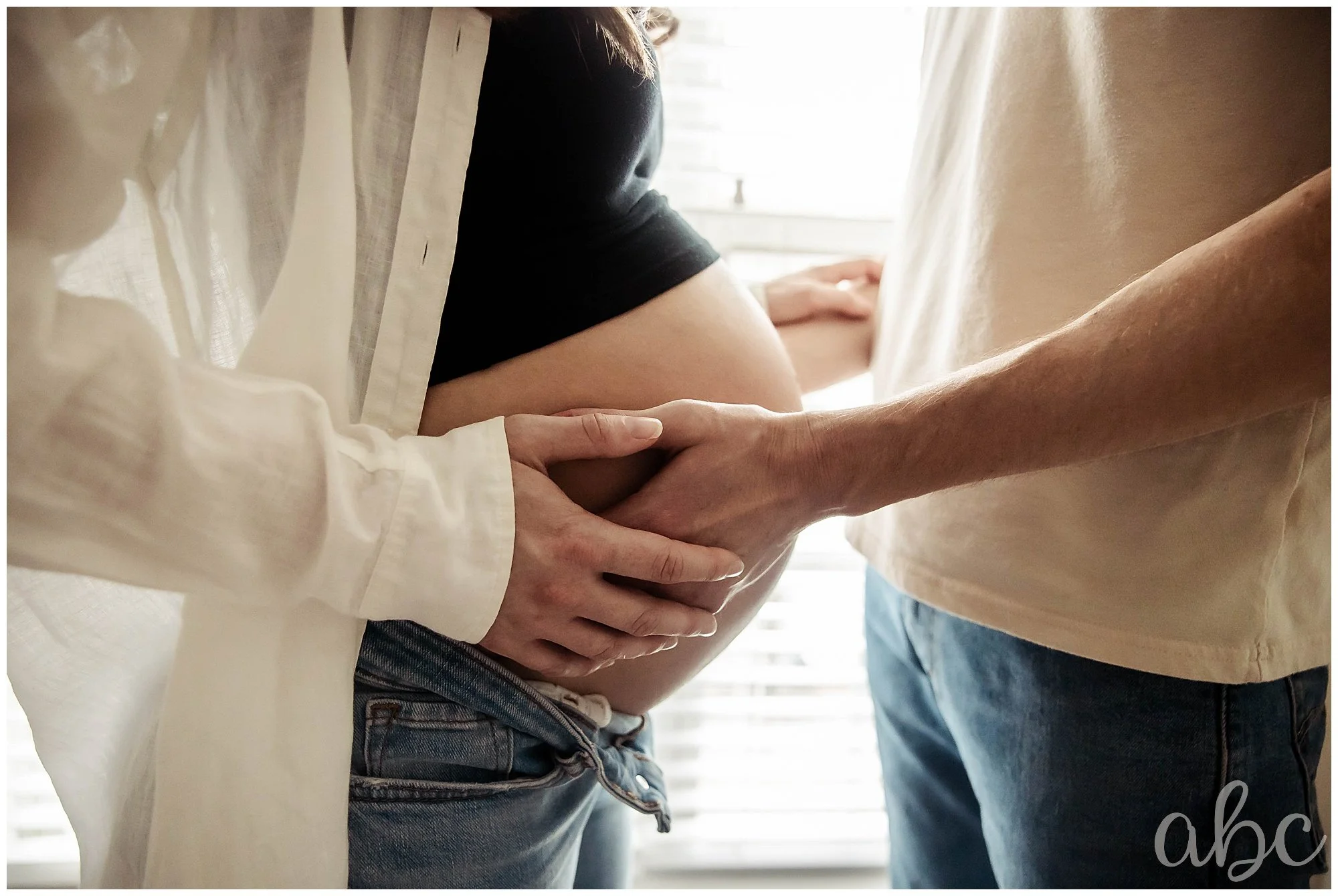
Preventing pregnancy bladder leaks
Urinary leakage during pregnancy is extremely common, especially in the second and third trimesters. The good news is that a large Cochrane Review found that pelvic floor muscle training during pregnancy can significantly reduce the risk of urinary incontinence, particularly in late pregnancy and early postpartum. Pelvic floor therapy helps you identify the correct muscles, avoid bearing down instead of lifting, and time contractions with effort like coughing or sneezing.
Pelvic floor relaxation for labor prep
A pelvic floor that only squeezes is like a jaw that never unclenches—eventually, things hurt. Research shows that coordinated pelvic floor muscle training improves both strength and relaxation ability, especially when paired with breathing and whole body movement. Relaxation matters for bowel function, comfort, and birth. Pelvic floor therapy teaches muscles to respond appropriately rather than staying on all the time.
It helps your body handle pressure effectively
Pregnancy increases intra-abdominal pressure as the baby grows. How that pressure is managed matters for your comfort. Research on the pelvic floor, diaphragm, and abdominal wall system shows that breathing and posture directly influence pelvic floor loading. Pelvic floor therapy helps you coordinate these systems during daily activities so you experience fewer moments of feeling like everything is falling out.

Pelvic hip and low back pain are treatable
Pelvic girdle pain affects up to 50 percent of pregnant people. Clinical guidelines consistently recommend physical therapy interventions—such as education, movement strategies, and stabilization—to reduce pain and improve function. Pelvic floor therapists address how deep core muscles work together, which often improves pain without aggressive strengthening.
Better bowel mechanics for pregnancy constipation
Constipation during pregnancy is incredibly common due to hormonal changes and mechanical pressure. Pelvic floor dysfunction is a known contributor to defecatory disorders, and pelvic floor physical therapy has strong evidence for improving bowel function through breathing, coordination training, and biofeedback. Therapy focuses on relaxation and mechanics rather than force.

Functional birth prep and pushing positions
Research evaluating antenatal pelvic floor muscle training has examined outcomes like length of labor and perineal trauma, showing that pelvic floor training is a vital part of birth preparation. Pelvic floor therapy helps clients practice breathing for pelvic floor lengthening, positions that reduce guarding, and the awareness of pushing versus resisting. Relax becomes a skill rather than just a suggestion.
It can reduce the risk of long term pelvic floor problems
Professional organizations like the Royal College of Midwives emphasize early pelvic floor education during pregnancy to reduce persistent postpartum issues like incontinence and pelvic floor dysfunction. Early guidance matters, and you do not have to wait until symptoms are severe to seek support.

Pain with intimacy or pelvic tension deserves support
Not all pelvic floor issues are about weakness; some involve overactivity or tension. Research recognizes pelvic floor muscle overactivity as a contributor to pelvic pain, and physical therapy is a recommended conservative treatment. During pregnancy, therapy focuses on down-training, comfort, and nervous system regulation.
It sets you up for a smoother postpartum recovery
Prenatal pelvic floor muscle training has been shown to improve early postpartum pelvic floor function, especially when training continues after birth. Knowing your baseline and having a recovery plan reduces anxiety and prevents delays in care.

Reassurance from a specialist
Pelvic floor physical therapy acts as an early screening tool, helping identify symptoms that are expected versus those that may benefit from further medical evaluation. Clinical standards for pelvic health emphasize appropriate classification and referral pathways. Sometimes peace of mind is the most important intervention.
What pelvic floor therapy during pregnancy usually looks like
A typical session includes a thorough history and symptom review, a breathing and movement assessment, and a pelvic floor coordination assessment. Internal exams are always optional. We also focus on birth prep with education and movement strategies for each phase of labor, including pushing prep with internal and external cues in different positions.
Pelvic floor therapy during pregnancy supports function, comfort, and confidence. It can help prevent leakage, reduce pain, improve bowel mechanics, support movement, and prepare for both birth and postpartum recovery. Yes, there is research behind it, and there is also real life relief behind it. We would love to help at Connect Pelvic Health. We are the top rated pelvic floor therapy clinic in Atlanta and perinatal health is our specialty.

References
Bø, K., and Backe-Hansen, K. L. (2007). Do pelvic floor muscle exercises prevent pelvic floor dysfunction during pregnancy and childbirth? International Urogynecology Journal.
Bø, K., et al. (2015). Pelvic floor muscle function and strength. Neurourology and Urodynamics.
Boyle, R., et al. (2012). Pelvic floor muscle training for prevention and treatment of urinary and fecal incontinence in antenatal and postnatal women. Cochrane Database of Systematic Reviews.
FitzGerald, M. P., et al. (2009). Pelvic floor physical therapy improves pain and function in pelvic pain conditions. Journal of Urology.
Hodges, P. W., et al. (2007). Postural and respiratory functions of the pelvic floor muscles. Neurourology and Urodynamics.
Harvard Health Publishing. (2019). Treating constipation with biofeedback for the pelvic floor.
Mørkved, S., et al. (2003). Pelvic floor muscle training during pregnancy to prevent urinary incontinence. Obstetrics and Gynecology.
Mørkved, S., and Bø, K. (2014). Effect of pelvic floor muscle training during pregnancy and after childbirth. Current Women’s Health Reviews.
Rao, S. S. C., et al. (2015). Diagnosis and management of defecatory disorders. American Journal of Gastroenterology.
RCM and CSP. (2021). Joint statement on pelvic floor muscle exercises.
Vleeming, A., et al. (2008). European guidelines for the diagnosis and treatment of pelvic girdle pain.