How an Atlanta Doula Planned for Postpartum
This post is exactly modern motherhood. It’s not “how to do postpartum perfectly,” it’s how a real mother (who also happens to be a doula) protected what mattered most; rest, bonding, help, boundaries and faith. Modern motherhood is often framed as logistics such as work schedules, childcare, and meal planning. But at its core, it’s the art of choosing what aligns, and protecting it. For Kirstie, that looked like planning postpartum with the same intention she planned her birth. You can read about How an Atlanta Doula Planned Her Home Birth here.
Kirstie wears a few hats in the Atlanta birth world. She is a mother of three, wife, doula, childbirth educator, and author of Birth Like You Believe. You can see the way she supports clients through how she prepared for her own postpartum season. She didn’t leave recovery up to chance and she set things up ahead of time.
I asked her to share what that looked like behind the scenes, and her answers are generous, specific, and very “Kirstie”... steady, capable, and anchored in faith.

What mattered most and how I planned for it
“Rest and bonding with my newborn outside of my usual routine of household and work obligations. I took my home to a higher level of organization to make it easier for helpers to locate relevant items. The ‘nesting phase’ was a serious compulsion for me during this third pregnancy, stronger than ever before–haha! For example, I freshly organized every closet in the house and organized the pantry and some cabinets to make it easy for others to locate items as they assist with household chores. I ensured that all postpartum recovery products were stored together and easily accessible as well. I thoroughly stocked the nursery with all needed baby items and organized drawers and closet space.”
Our food plan: meals, help, and Meal Train
“I planned people to assist with meal preparation, including family members and friends so we could have home-cooked meals without the extra hassle of cooking. We also used Mealtrain.com to help organize meal donations, and via this website, some people donated DoorDash gift cards or monetary donations we could use towards groceries or food delivery services.”
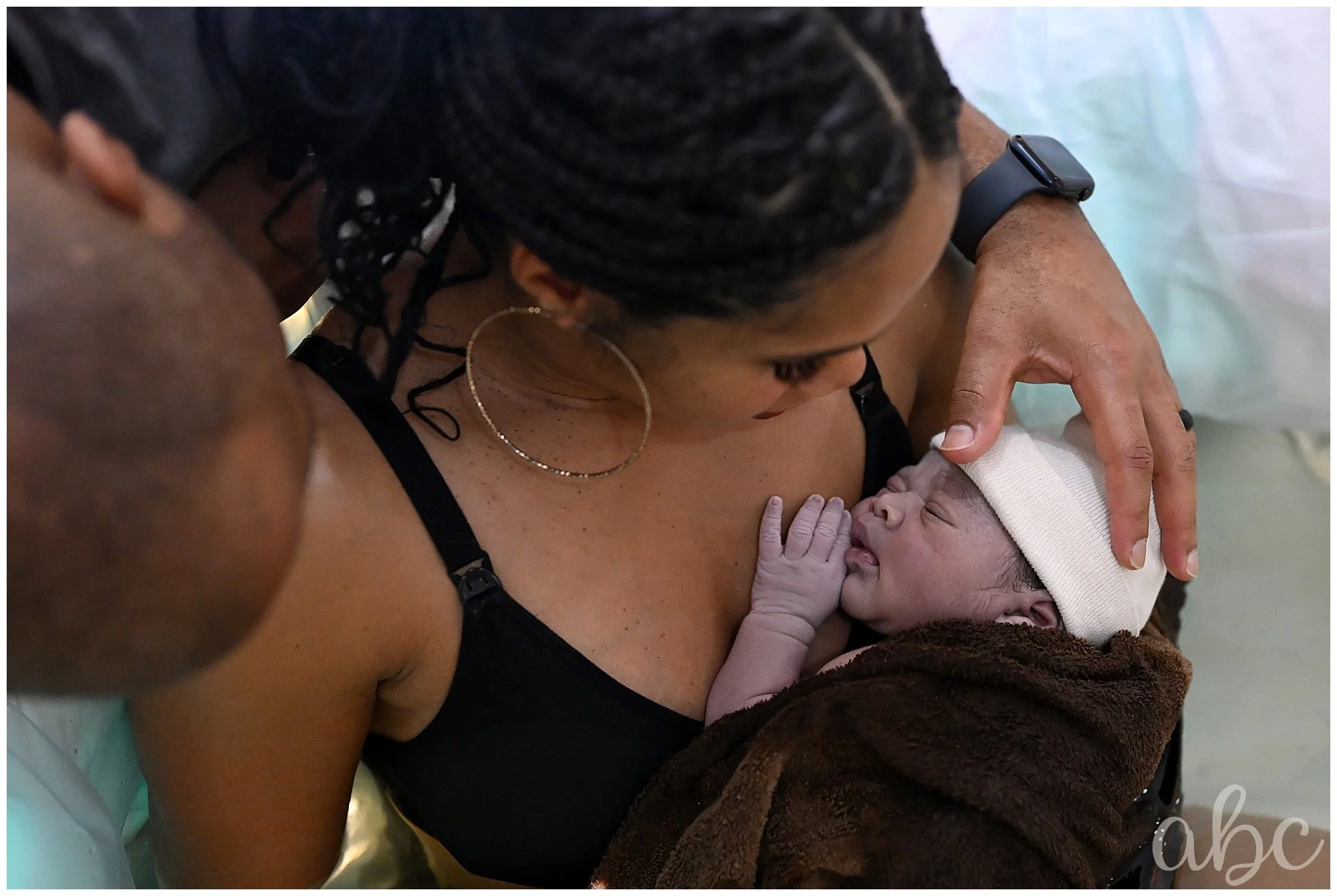
What foods or rituals felt most supportive for my recovery
“I know it may sound a bit odd, but I’d have to say that the intentional practice of gratitude has felt most supportive for my recovery. Spiritual food for my soul! Every morning, I thank God for my baby, my health, my whole family, all the support He’s sent my way, and I thank Him again for the amazing birth experiences He’s blessed me with, for each of my three children. I go down a list of blessings and repeatedly give thanks. I’ve been reading in the book of Psalms chapters filled with thanksgiving and praise to God. This starts each day with postpartum JOY, leaving no space for the baby blues or postpartum depression.”
How I planned for rest and sleep
“I planned for it by establishing WHO would help with other household responsibilities during postpartum recovery so I would have the space to rest and sleep.”

How we shared responsibilities, including nights
“We talked through responsibilities like school drop-off and pick-up for our other two children, establishing that my husband would replace me in daily tasks such as these while he’s on paternity leave. As for night shifts, the first week postpartum, my husband changes the baby’s diapers so I can avoid being on my feet as much as possible; other than that, I cover night shifts since I am exclusively breastfeeding. After all, if he feeds our baby a bottle, I’d have to get up to pump anyway to avoid painful engorgement or reducing my milk supply. So he might as well remain more rested so he can handle our other children while I manage my own recovery and our newborn!”
My postpartum support team
“My mother has always operated like my “postpartum doula,” helping with household chores, cooking, or even taking night shifts with the baby if I ever accept her offer on that–haha! I also have a close friend who’s a nurse in the mother/baby unit at a local hospital; she has been a crucial part of my postpartum support team as well–cooking meals, doing house chores, and helping me stay off my feet in whatever other ways she can. During pregnancy, I worked with a Webster-certified chiropractor, and that chiropractic office is still part of my postpartum support team as well.”
Boundaries and visiting rules that protected our peace
“We limit visitation to close family and friends who plan to HELP, not just to people who are eager to see our new baby, haha! Those who visit early-on are either bringing home-cooked meals with them, doing our laundry, cleaning, taking care of our older kids, or some other helpful task. We don’t allow company late in the evening so it doesn’t interfere with our bedtime since we’re anticipating nighttime interruptions.”

Preparing my older kids for the transition
“My other two children are 6 years old and 4 years old. My 6-year-old begged me for a baby several months before I conceived, so she was good and ready on her own–haha! After hearing my daughter talk about having a new baby so much, my son followed along and got excited, too. By the time my husband and I announced the pregnancy to our kids, they were both thrilled! I had my daughter read books about being a big sister, and she read those books to her younger brother–the same books I read to her when she was two years old in preparation for my second child. Both of my children attended at least two prenatal visits with me and enjoyed listening to the baby’s heartbeat. I prompted them to talk to my belly, hug my belly and pray over the baby in my belly at bedtime. They happily complied!”
“During the pregnancy, I repeatedly talked with them about what life would be like with a new baby. While driving them to school or getting ready for bed, we had chats about the new baby that was growing in Mommy’s belly. I asked them if they would help me and Dad with their new baby brother, and I asked them if they would be patient with him when he cries. I told them that this new baby would be “our” baby, not just Mommy and Daddy’s baby. I wanted them to feel a sense of ownership with the baby so they wouldn’t feel jealous but would instead feel excited about their new baby. It worked!”
What our early weeks routine looked like
“My husband took care of school transportation for our older children as well as homework help and preparing school lunches. He also prepared breakfast and dinner each day while other family members and friends helped with lunch food and dinner food as well. I focused on caring for our newborn, taking all the night shifts, and resting for optimal recovery.”

What time off from doula work looked like
“For me, it meant that I selected a certain point in my pregnancy to stop doing in-person labor support and instead focus on childbirth education.”
How I prepared my clients for my leave
“Every client that I committed to before I found out I was pregnant, I served those clients during pregnancy and gave them my full attention. Before I started showing, I didn’t even tell my clients I was pregnant because I wanted each of them to maintain their “pregnancy spotlight” as the one pregnant woman in the room, haha. I also did not want my clients to be mindful of any physical limitations for me because I committed to giving them the same quality of care that I would provide if I were not dealing with increased hunger, fatigue, or light-headedness myself. Labor support requires a lot of energy and, in many cases, a lot of time–even 24+ hours without many breaks. I didn’t want my clients concerned about how I was feeling serving them while pregnant.”

How I prepared emotionally for postpartum
“Pray! I regularly prayed for postpartum JOY, peace, a smooth breastfeeding journey, instant bonding with my baby and accelerated physical healing. I also prayed for ample support and had conversations with some people whom I expected to help my family during the postpartum season.”
Balancing being a doula with needing support
“It was kind of fun for me to be on the other side! However, I don’t believe I was able to separate my doula identity from being the one who needed support. The two blended together as one, and that blend helped me to have a more empowered, confident pregnancy and birth experience.”
What felt essential vs. luxurious postpartum support
“Honestly, I did not go a luxurious route for postpartum support to include a night nanny/nurse or postpartum doula. My mother has always gracefully and competently assumed the role of a postpartum doula for me, and my husband has always been supportive as well. Chiropractic care is important to me, as well as healing my pelvic floor after birth, so I’d consider those to be essential rather than luxurious.”

You can find more of Kirstie’s teaching on Instagram here. Her online birth course (40+ videos) is available here, and her book, Birth Like You Believe, is here.
If you’re planning postpartum, start with the conversations before the baby arrives. Our posts Parenting Conversations to Have Now , What to Have at Home After Giving Birth and How to Support Her After Baby can help you map out support, boundaries, and realistic expectations. And if you don’t have built-in help like Kirstie did, a postpartum doula may be the missing piece, especially if what you need most is meals, practical help at home, and protected rest. We would love to help!