Parenthood: Learning to be Comfortable with the Uncomfortable
When we talk about "nesting," we often describe it organizing tiny onesies, sanitizing bottles, and checking off every item on the 2026 babyproofing checklist. But underneath the urge to organize is something much deeper. Nesting is often our first attempt at controlling an experience that is, by its very nature, uncontrollable.
At Atlanta Birth Collective, we see this transition every day. Whether you are strolling through the Downtown Woodstock shop windows or finding a moment of peace on the Taylor Randahl Memorial Trails, the discomfort of pregnancy isn't just a hurdle to get over-it is a purposeful, biological training ground for everything that comes next.
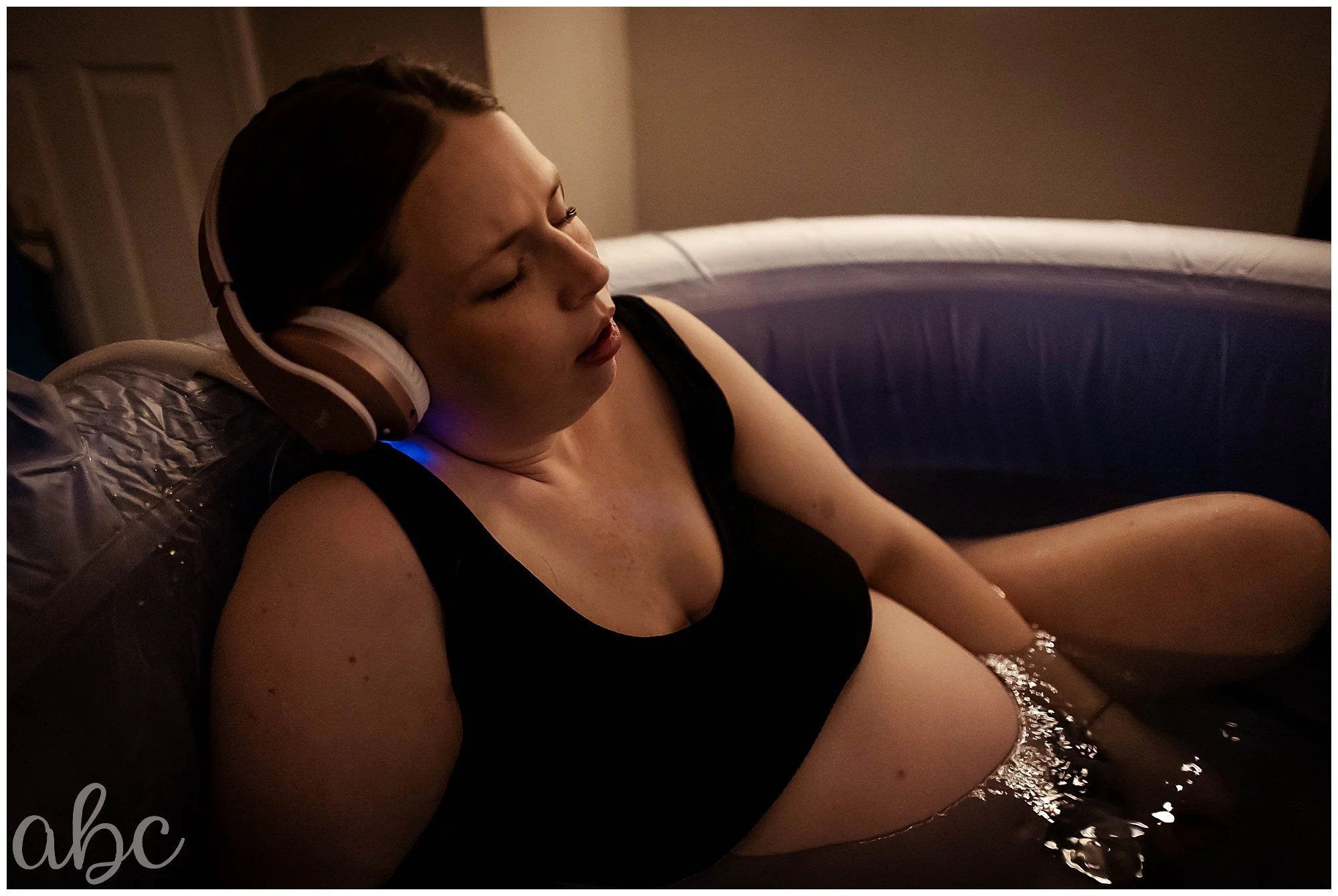
First Trimester: The Initial Surrender
The lesson in discomfort often starts long before you have a visible bump. For many, it begins with the debilitating nausea and exhaustion of the first trimester. Suddenly, your body is no longer your own. You cannot "will" yourself to feel better, and you cannot control how your system reacts to the life growing inside you.
This early stage is your first alert that the "old you" (the one who could plan their day and rely on their physical state) is being recalibrated. This nausea isn't just a side effect; it is an early masterclass in sitting with a lack of control. It forces you to slow down and exist in a state of "uncomfortable" that you didn't choose and cannot fix.
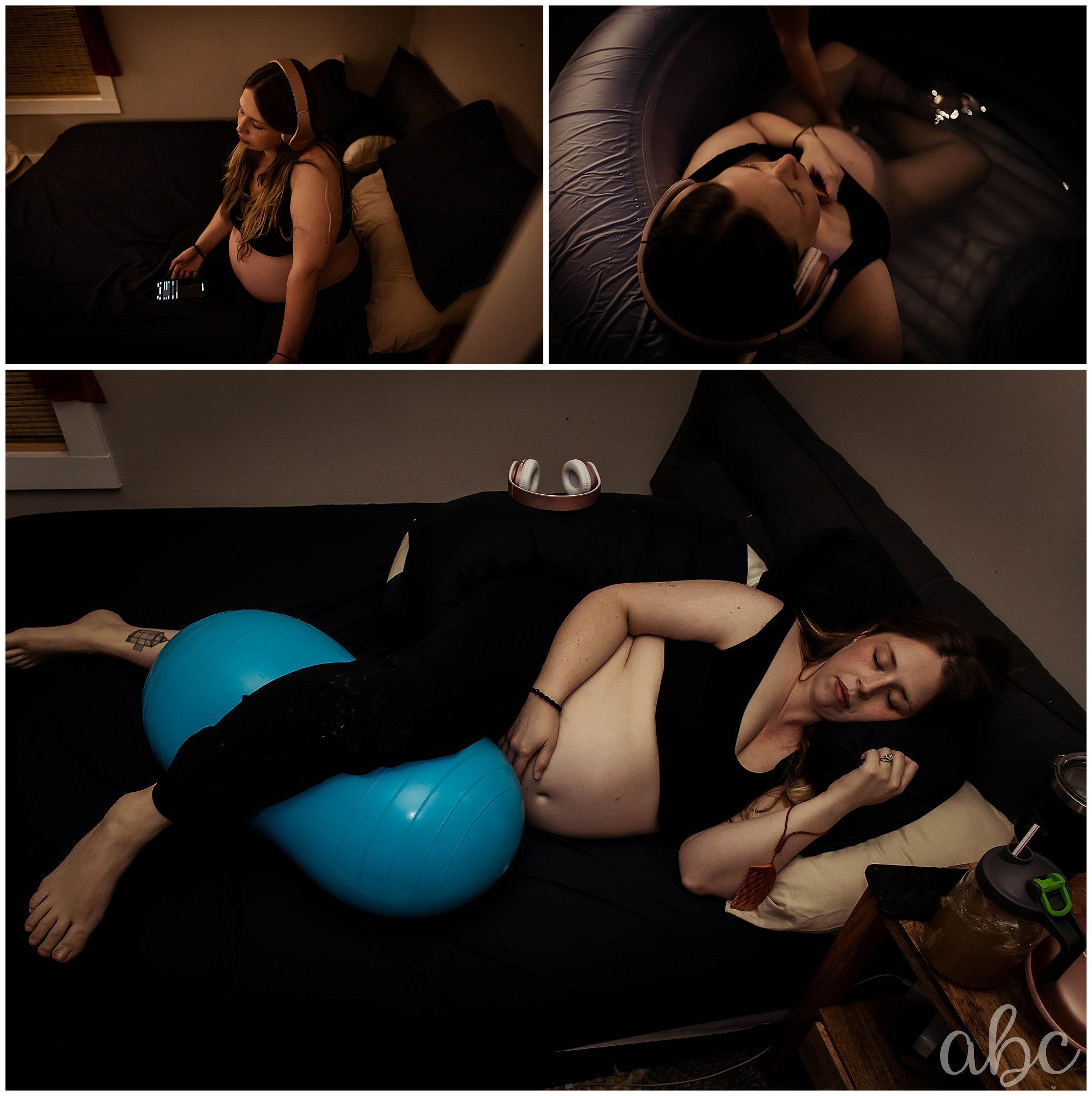
Late Pregnancy: Discomfort Becomes Your Prepartion and Motivation
By the time you reach those final weeks, the "uncomfortable" takes on a new intensity. The heavy limbs, the wakeful nights, and the constant pressure aren't just inconveniences, they are there to prepare you for a newborn. You wake up all night to pee, roll over, or for ?? to prepare you to wake up and feed a newborn. They wake up every 2-3 hours.
There is a reason the end of pregnancy feels so long and so difficult. It brings you to a place where you are finally ready to let go. Why would anyone willingly walk into the intensity of labor? Because by the time you reach the end, staying pregnant feels harder than giving birth. The biological discomfort is what pushes you through the door; it’s the shift from wanting to avoid the pain to wanting to move through it just to find relief on the other side. Finally, you have your long-awaited prize: your baby. They are now a separate entity, arriving with their own wants, needs, desires, and decisions.
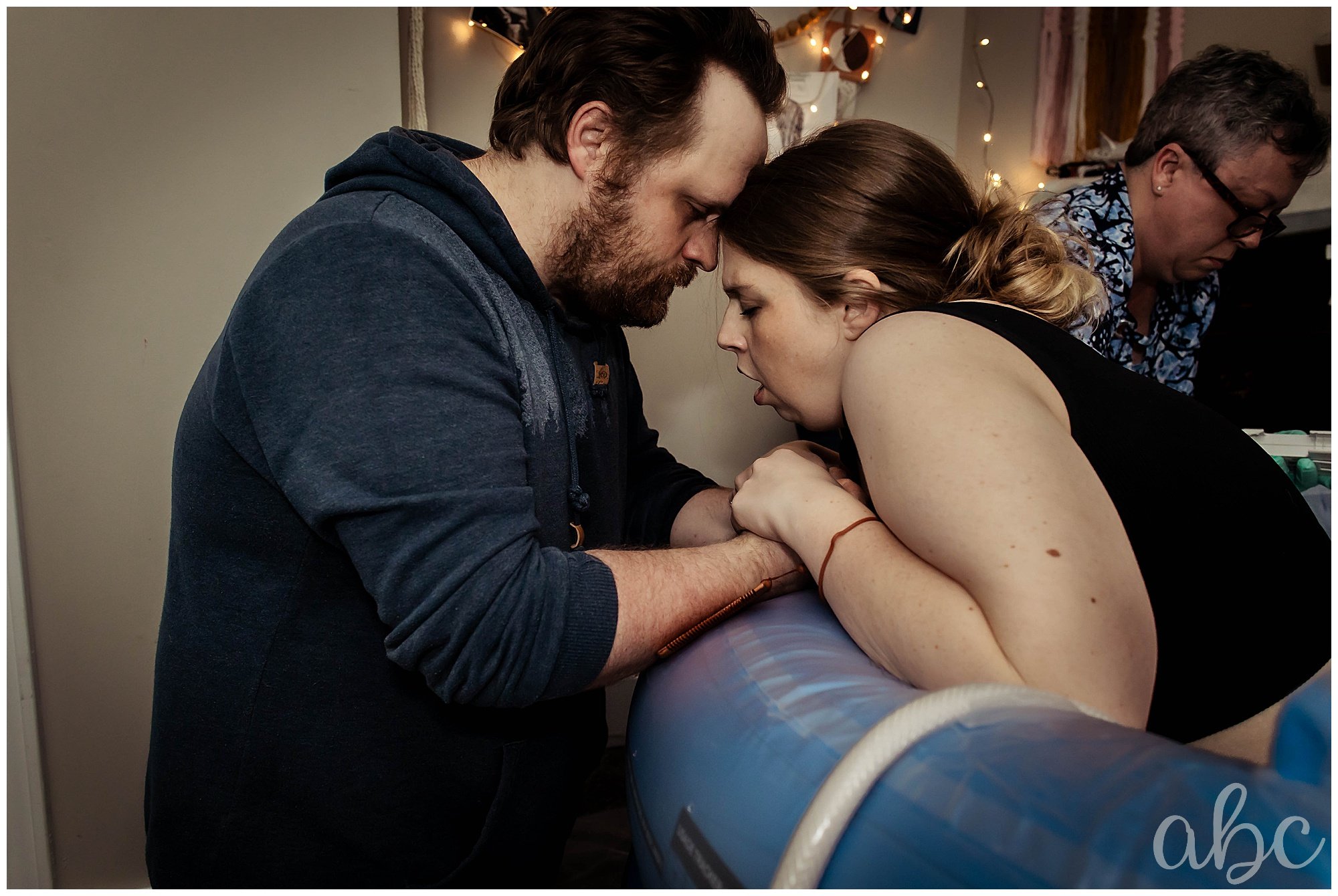
Pregnancy is hard. Birth is Hard. It’s All Hard.
Birth plans matter. Your preferences matter. Your values matter.
But birth is also the first time many parents experience the sharp edge of parenthood: you can do everything “right” and still end up with a turn you didn’t expect.
Sometimes that looks like interventions you didn’t want. Sometimes it looks like a cesarean you didn’t plan for. Sometimes it looks like a long labor, a NICU stay, or a postpartum recovery that asks more of you than you anticipated.
You plan to breastfeed, but baby is having latch issues. It' hurts. You planned to formula feed, but it seems baby is having a terrible reaction to the formula. It’s hard.

The Name For This Transition
Some people find it comforting to know: this destabilizing, identity-shifting experience is recognized as a real developmental transition.
It’s often called matrescence: a term used to describe the physical, emotional, and psychological transition into motherhood (often compared to adolescence because of how much changes, all at once). Adolescense wasn’t easy. This isn’t easy. Life isn’t easy. Why are we so caught off guard though? I haven’t given birth since 2009 and I still get surprised by the discomfort and shock of parenthood.
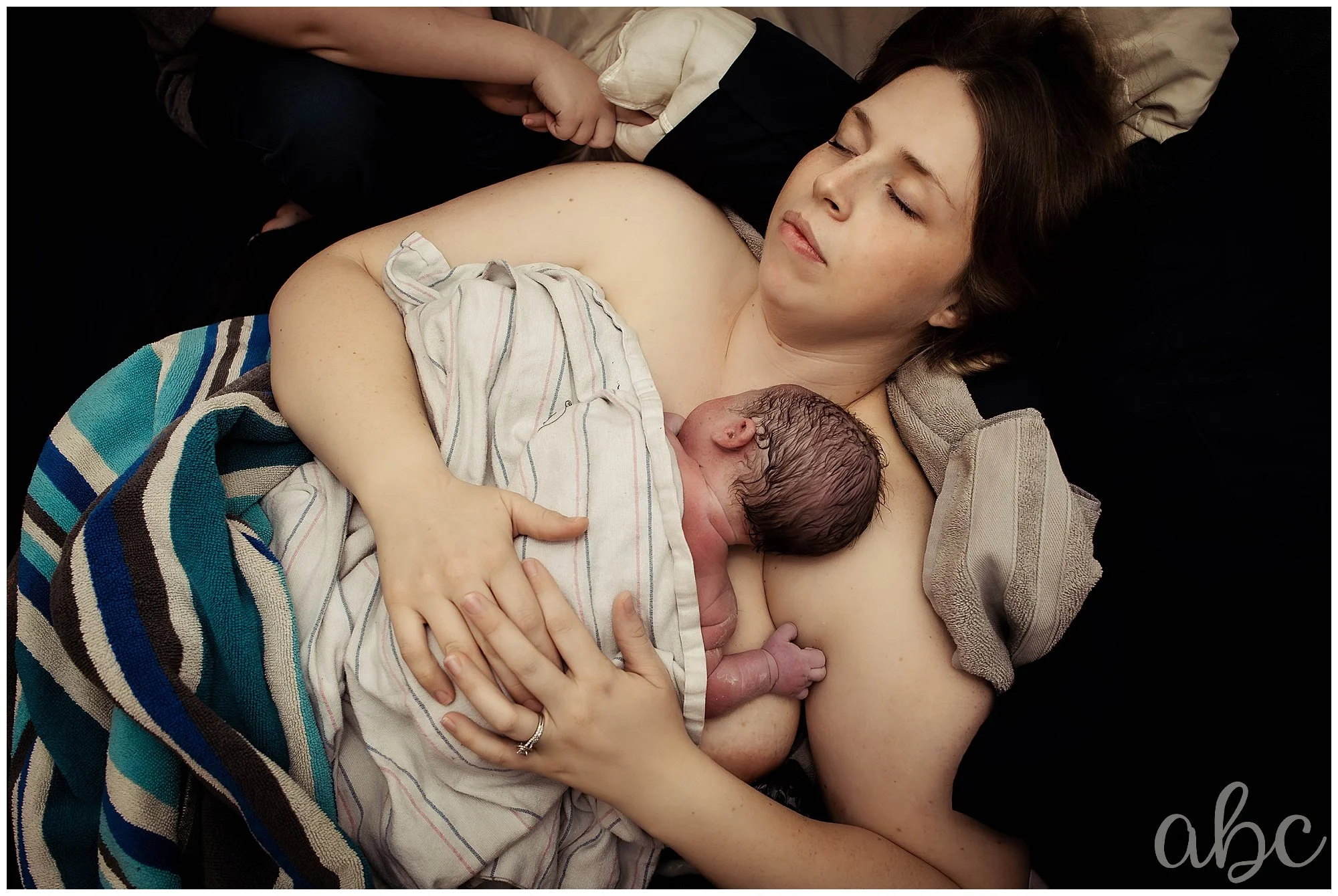
The Lifelong Lesson: We Are Not in Control
This realization that we aren't in charge doesn't end in the delivery room. In fact, it’s the baseline for the rest of your life as a parent.
We babyproof our homes to manage the things we can control; the sharp edges and the air quality. But as parents, we eventually have to face the reality that we cannot "safety-proof" our children's futures.
You can do everything "right," and your baby may still be born via cesarean.
You can raise them with every bit of intention and love, and they may still grow into rebellious teenagers or defiant adults.
You can protect them from the fireplace, but you cannot protect them from every hardship they will encounter.
Learning to be comfortable with the uncomfortable means realizing that doing everything "right" doesn't buy you control; it builds resiliance. It builds the muscle you need to sit in the middle of a toddler's tantrum or a teenager's defiance and realize that the chaos isn't a sign of failure, it’s just the reality of raising a human being.
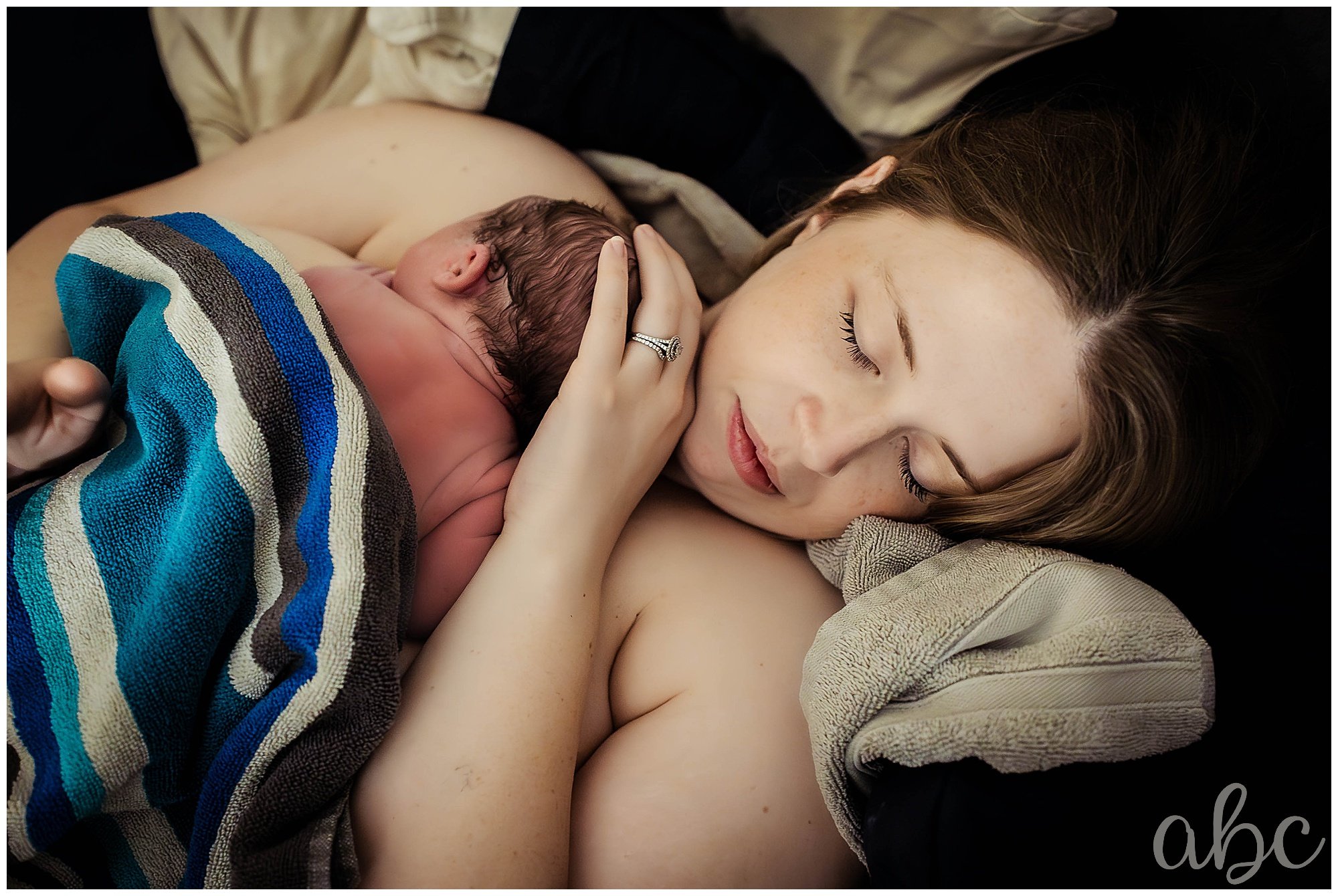
What You Can Control
You can’t control every outcome, but you can choose your supports and your scaffolding.
Clarify values, not just preferences.
Instead of “I want X,” try “The feeling I’m trying to protect is Y.” That keeps you grounded if plans change.
Make a postpartum plan during pregnancy.
ACOG recommends starting anticipatory guidance during pregnancy, including developing a postpartum care plan that addresses the transition to parenthood.
Plan for support, not perfection.
Meals. Protected rest. Practical help at home. A short list of people who make you feel safe. A plan for who to call if anxiety spikes.
Practice coming back to center.
Pick a few tools you can return to when things feel out of control: slow breathing, a shower, a short walk, a grounding phrase, a “one next step” mindset.
You are learning to be comfortable with the uncomfortable. Be gracious to yourself.
None of this is easy! It’s ok to not be ok with the ways things are going, the way you feel, the lack of control. It’s hard, it’s scary. Be kind to yourself as you grow through new experiences.

The goal isn’t to eliminate discomfort. It’s to learn how to move through it: supported, resourced, and not alone.
If you’re planning for postpartum, start with the conversations before the baby arrives. Our posts Conversations to Have Now and How to Support Her After Baby can help you map out help, boundaries, and realistic expectations. And if you don’t have built-in support, consider a postpartum doula especially if what you need most is meals, practical help at home, and protected rest.
At Atlanta Birth Collective, we believe preparation isn’t about controlling the outcome. It’s about building a circle strong enough to hold you-no matter how your birth unfolds, and no matter what kind of parenthood waits on the other side.
Embracing the Uncomfortable with North Atlanta Support
Parenthood is full of moments that challenge our comfort zones, but you don't have to navigate them alone. We specialize in helping families throughout the North Atlanta corridor stay grounded through the "uncomfortable" transitions of birth and the early postpartum weeks. Explore our North Atlanta doula services to see how having a dedicated support team can turn uncertainty into confidence.