Pregnancy Anxiety: Understanding the Biological Purpose of Your Worry
If you are pregnanc and find yourself overwhelmed by worry, you are likely experiencing what many call pregnancy anxiety. It often shows up as a racing heart at 3:00 AM or a mind that refuses to stop scanning for "what-ifs."
As doulas, we want you to know that this isn't a flaw in your character or a sign that you aren't ready. In fact, from a biological perspective, your anxiety is a sign of a high-functioning, protective brain.
The Evolutionary Roots of Pregnancy Anxiety
It helps to understand that anxiety is evolutionary. In our ancestral cave-man days, the mothers who were hyper-vigilant, the ones who were constantly scanning for threats and worrying about the safety of their surroundings, were the ones whose babies survived. The chill moms? Their toddlers maybe got eaten by wild animals.
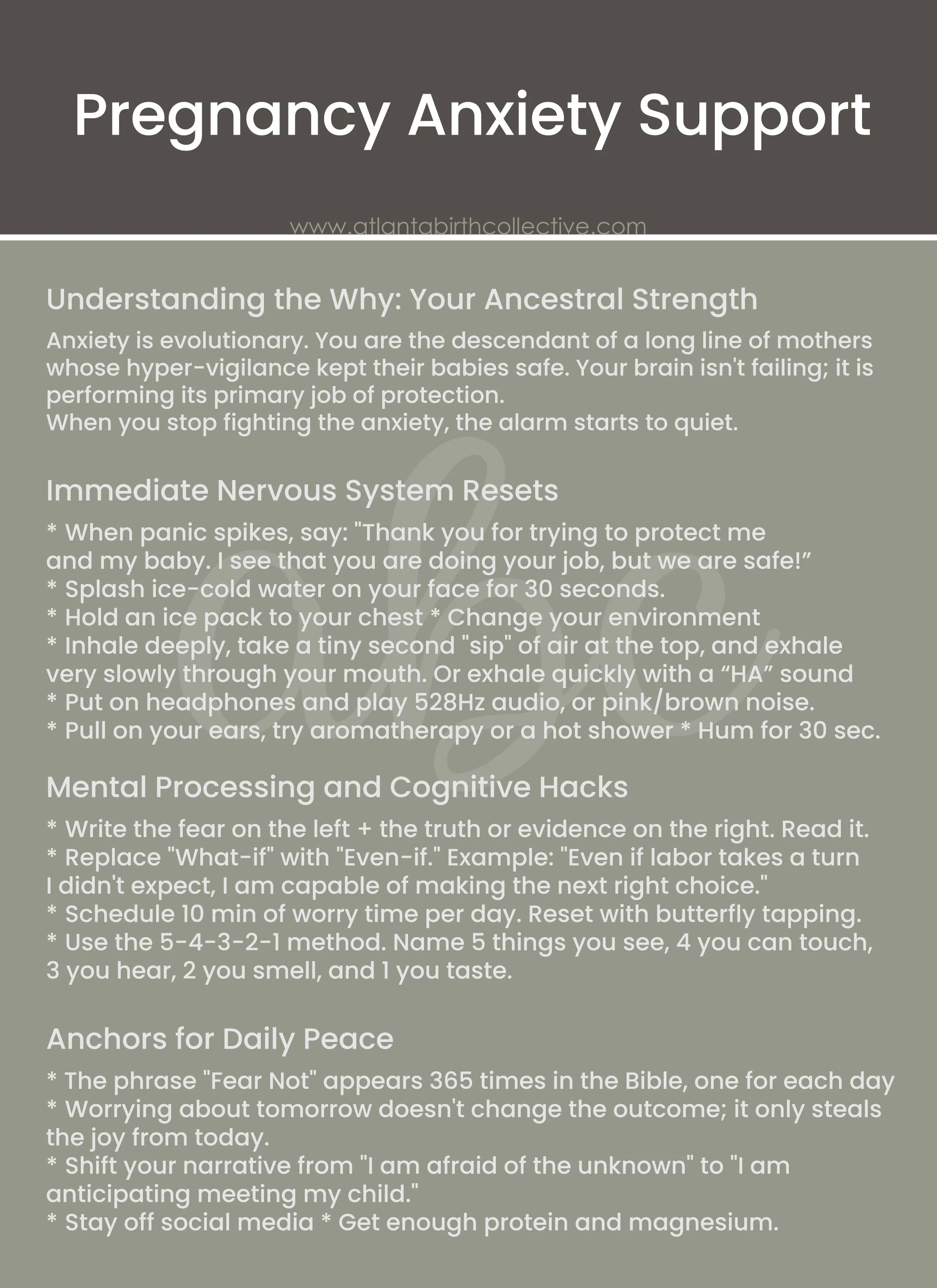
Because those babies survived and grew up to have their own families, that protective instinct was passed down through the generations to you. You are the descendant of a long line of successful, vigilant mothers. Your brain isn't trying to ruin your day; it is biologically hardwired to ensure your baby makes it safely into the world. It is a protective trait, not a personal failure.

We’re so grateful to one of our moms for sharing her photos, a piece of her story, and what helped her carry anxiety during pregnancy with more steadiness and support.
Is it Anxiety or Biology? The Blood Sugar and Magnesium Connection
Before you spiral into the mental "what-ifs," it is important to check your physical biology. In the third trimester, your body processes glucose differently, and a blood sugar crash can trigger a spike in adrenaline that feels exactly like a panic attack. This adrenaline surge is your body's way of telling you to eat, but your brain often misinterprets it as a signal of danger.
If you feel a sudden wave of dread, try eating a small, protein-rich snack first. Often, stabilizing your body is the fastest way to stabilize your mind. Additionally, ensuring you are getting enough Magnesium (the calm mineral) through leafy greens or supplementation can help lower your baseline stress and prevent that "high-alert" feeling from becoming your default state.

“I made an intentional choice to set my anxiety aside and trust my medical team and doula support.”
Nervous System Regulation: Thanking Your Brain for Its Protection
Because this response is rooted in your survival instincts, fighting your anxiety often just makes the alarm louder. A more effective approach to nervous system regulation is to acknowledge the intent behind the worry.
When you feel a surge of anxiety, take a deep breath and literally thank your brain for its vigilance. You can say: "Thank you for trying to protect me and my baby. I see that you are doing your job. But we are safe right now." Then, take a moment to ground yourself in your current environment. Look around and name the things that signify your actual safety: the locked door, the soft bed, or the supportive partner or doula.
You can also use physical resets to signal safety to your Vagus nerve:
The Ear Tug Reset: Gently pull your earlobes downward and outward. This stimulates the auricular branch of the Vagus nerve, sending an immediate signal to your brain to shift from panic to calm.
The Vocal Reset: Hum a deep, low tone or gargle water for 30 seconds. The physical vibration in your throat massages the Vagus nerve into a relaxed state.
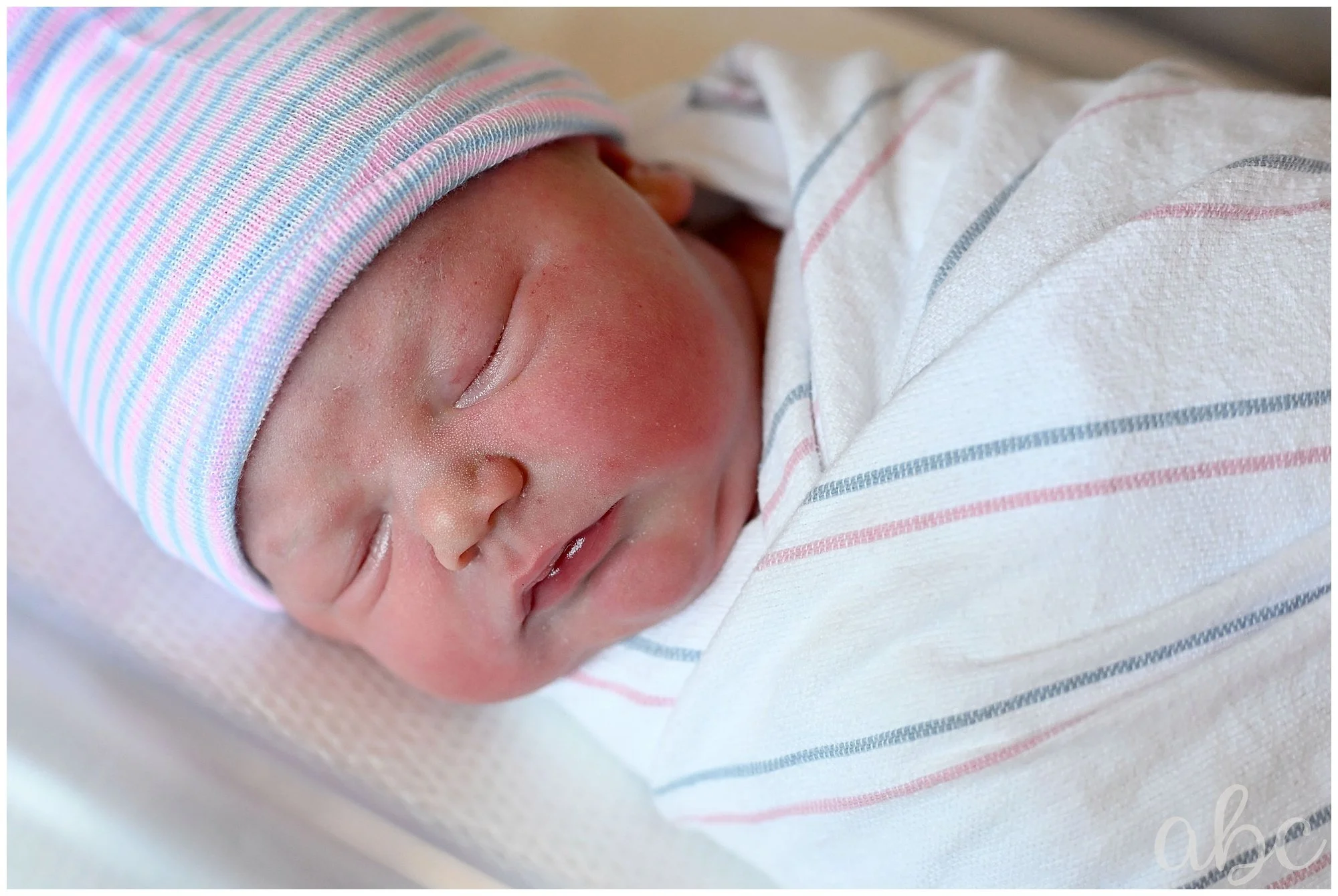
“After experiencing two postpartum hemorrhages, with the last one being incredibly traumatic, those memories began resurfacing as my pregnancy progressed. I had to make myself sit with that fear and face the memories I had pushed away.”
Practical Exercises: How to Move from Fear to Truth
To manage pregnancy anxiety, you need more than just a shift in mindset; you need actionable tools to process the heavy thoughts. Here are a few exercises to try when the worry feels overwhelming:
The Fear vs. Truth T-Chart: Take a piece of paper and draw a line down the middle. On the left side, write down every specific fear you are carrying. On the right side, write the objective truth or the evidence you have to the contrary. For example, if the fear is "I won't know when I'm in labor," the truth is "My body is designed to give clear signals, and I have a trained support team to help me identify them."
The Worry Window: Instead of letting anxiety leak into every hour of your day, schedule it. Set a timer for 10 minutes at the same time each day. During this window, you are allowed to worry, write down your fears, and feel the weight of them. When the timer goes off, thank your brain for the information and consciously pivot to a different activity.
Sensory Anchoring: When your mind starts to spiral into the future, use the 5-4-3-2-1 method to pull yourself back to the present. Name five things you see, four things you can touch, three things you can hear, two things you can smell, and one thing you can taste.

“I realized that the pain and fear I felt [in those moments] were not indicators that I was unsafe.”
Somatic Resets: Using the Body to Calm the Mind
When anxiety is high, your body is physically braced for a threat. These techniques use biology to force a relaxation response. While going for a walk can be a helpful grounding tool for some, for others, the physical sensation of an increased heart rate can mistakenly signal a panic response to the brain and actually escalate anxiety.
The Mammalian Dive Reflex: This is one of the fastest ways to "reboot" a panicked nervous system. If you feel a surge of panic, splash ice-cold water on your face or hold a cold compress to your eyes and cheekbones for thirty seconds while holding your breath. This triggers a biological reflex that immediately slows the heart rate and shifts the body out of a high-alert state.
Progressive Muscle Relaxation: Start at your toes and work your way up. Tense a specific muscle group as hard as you can for five seconds, then release it suddenly and feel the tension drain away for ten seconds. Move to your calves, then thighs, then glutes, all the way to your jaw. This helps you identify where you are "bracing" and teaches your body what true relaxation feels like.
Bilateral Stimulation: This is a tool borrowed from therapy that helps the brain process "stuck" thoughts. You can do this by walking at a steady pace or by "butterfly tapping" (crossing your arms over your chest like you’re giving yourself a hug and alternating tapping your shoulders.) The rhythmic, alternating left-right stimulation helps the brain move out of a circular worry loop and back into a processing state.
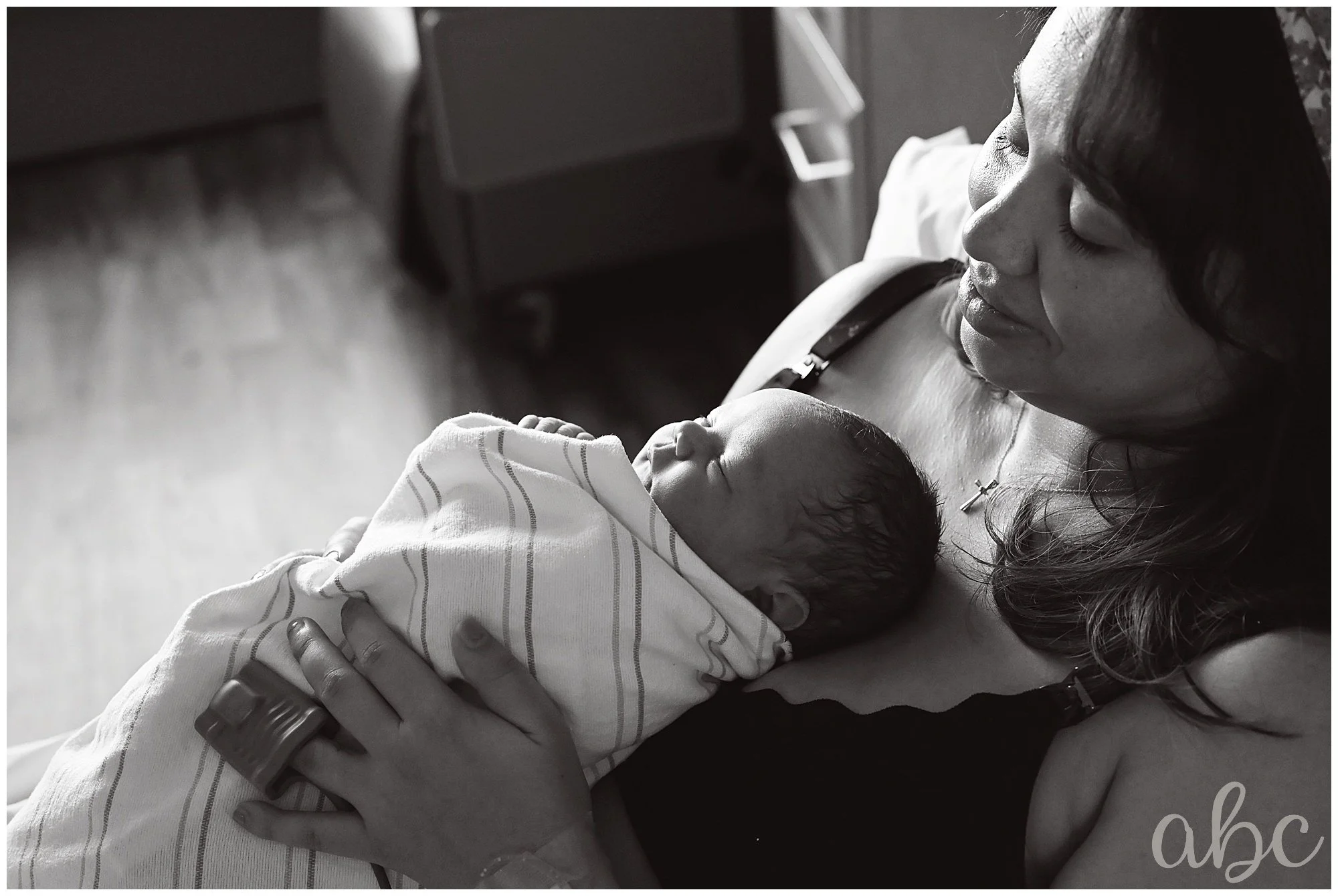
“As I sat with that fear/memory, I began to understand it in a new way. Even though it was the most intense pain I had ever experienced, and the room felt chaotic, what was happening was actually a sign that I was being cared for.”
Cognitive Reframing: Moving from What-If to Even-If
The brain loves to live in the "What-If" space because it feels like preparation, but it is actually just a drain on your resources. These tricks help close those open mental loops.
The Even-If Exercise: Most pregnancy anxiety is built on "What-If" questions that have no answers. To close the loop, take your biggest "What-If" and turn it into an "Even-If." For example: "What if I end up needing an induction?" becomes "Even if I need an induction, I have a support team to help me navigate the process and I am capable of making informed decisions for my baby." This moves you from a place of victimhood to a place of agency.
Name the Anxiety: Externalizing the worry can take away its power. Give your "anxious voice" a name—something non-threatening or even a bit silly, like "Brenda" or "The Worry Monster." When a fear spikes, you can say, "Brenda is being really loud about the car seat safety today, but I have already checked it twice and I am safe." This creates a healthy distance between your core self and the intrusive thought.
The Brain Dump and Burn: Sometimes the thoughts just need to be "out." Spend ten minutes writing down every single fear, no matter how small or irrational it feels. Once it is all on paper, physically destroy it. Tear it up, shred it, or safely burn it. This symbolic act of release can provide a powerful psychological sense of closure.

“At the time, I interpreted their urgency and speed as a sign that something was terribly wrong. Instead, the staff had shifted into protocol mode and were working together like a well-oiled team.”
Sensory Anchoring: Changing the Environment
Your external environment heavily influences your internal state. If you feel anxiety rising, try a "sensory shift" to tell your brain the scene has changed.
The Temperature Pivot: If you are inside and feeling claustrophobic, step outside into the air. If you are cold, take a warm shower. The sudden change in temperature forces the brain to process a new sensory input, which can break the momentum of an anxious thought.
High-Frequency Sound: Low-frequency sounds (like a humming refrigerator or a distant engine) can sometimes keep a nervous system on edge. Try playing "Pink Noise" or "Brown Noise", which are deeper and more grounding than White Noise, to create an auditory blanket that allows your brain to rest.
Aromatherapy Anchoring: Choose a specific scent, like lavender or frankincense, and use it only when you are feeling calm and practicing your breathing. Over time, your brain will associate that scent with safety. When anxiety spikes, smelling that specific oil can trigger an automatic "safe" response in your nervous system.
Hz Therapy: Using Sound to Ground the Nervous System
One of the most effective, yet often overlooked, tools for managing pregnancy anxiety is sound frequency therapy. Listening to specific frequencies can help "entrain" your brain, moving it from a state of high-alert into a state of deep relaxation. For the end of pregnancy, 432 Hz is particularly powerful as it is known to lower heart rate and cortisol levels. 174 Hz can act as a natural "spiritual anesthetic" for physical discomfort. These frequencies are non-invasive, safe for baby, and easy to integrate into your daily rest or birth environment through simple headphones or a room speaker.
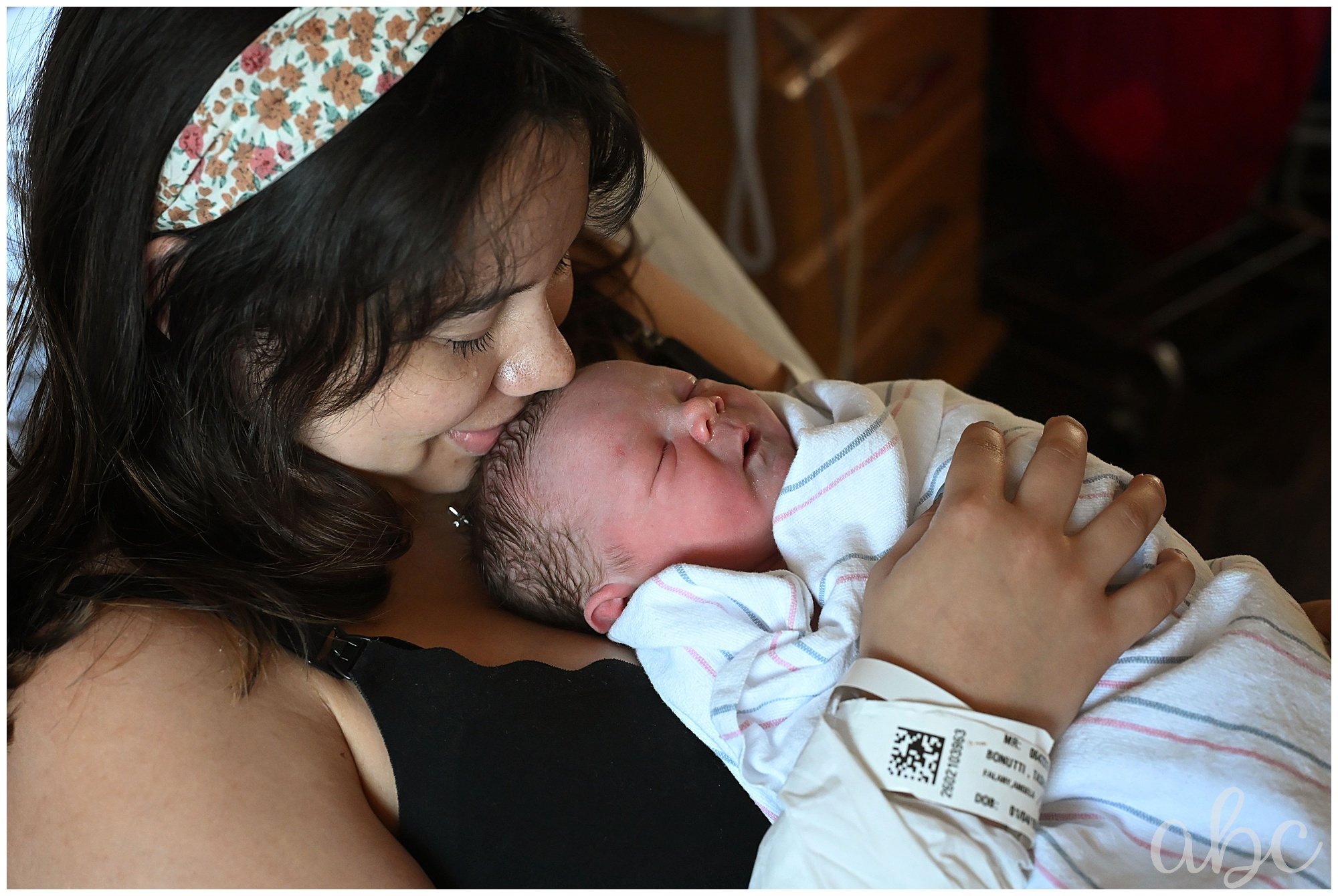
“Having a doula to talk to and release those harbored emotions and memories was incredible and changed my entire mindset.”
Shifting from Fear to Anticipation in the Third Trimester
While we often discuss fear versus anticipation in the context of labor, this shift is equally important for managing daily pregnancy anxiety. Fear is a bracing energy; it assumes a threat is coming and tries to protect you by making you tense. Anticipation, however, is an open energy. It acknowledges that a life-changing event is approaching, but it views that event with curiosity and hope.
Shifting the narrative from "I am afraid of what might go wrong" to "I am anticipating the moment I meet my child" changes your internal chemistry. You aren't ignoring the challenge; you are simply changing the lens through which you view it.
Finding Daily Peace: The "Fear Not" Reminder
Regardless of your personal faith, there is profound comfort to be found in ancient wisdom. It is often noted that in the Bible, the command to "Fear Not" (or its variations) appears 365 times. That’s one for every single day of the year.
This is a powerful reminder that humanity has struggled with worry for thousands of years. We are also reminded not to worry about tomorrow, for tomorrow will worry about itself. In pregnancy, you only have enough physical and emotional resources for the day you are currently in. Trying to worry about next week's appointments or next month’s birth doesn't actually change the outcome; it only drains the joy you have available for today. Read that again. Worrying is literally stealing your joy.

“With talking to my doula, sitting with my fears, and my trust in God, I went from being anxious to almost excited!”
Protecting Your Joy in the Final Weeks
The hardest truth about worry is that it doesn't change potential outcomes. Worrying about a "what-if" doesn't prevent it, and worrying about the unknown doesn't make you better prepared for it. What worry actually does is ruin your joy today.
These final weeks are a unique, fleeting season. When you allow future anxieties to dominate your mind, you lose the ability to be present for the small, sacred moments like the feeling of a hiccuping baby or the quiet connection with your partner (before baby makes things very, very loud). Choosing to stay present isn't about being naive; it is about protecting your peace.

“With my third birth (photos attached), instead of being scared, I was able to see how amazing my team was and that everything was under control.”
When to Discuss Pregnancy Anxiety with Your Practitioner
While a certain level of vigilance is biological, it is important to recognize when anxiety is moving beyond "protective" and into "obstructive." If your worry is preventing you from eating, sleeping, or functioning in your daily life, it is time to have an open conversation with your OB, midwife, or primary care provider.
Talk therapy is also an incredibly effective tool for managing the transition into parenthood. A therapist who specializes in perinatal mental health can help you develop specific coping mechanisms tailored to your experience. Your provider can also help rule out any underlying physiological reasons for increased anxiety, ensuring that both you and your baby are fully supported.
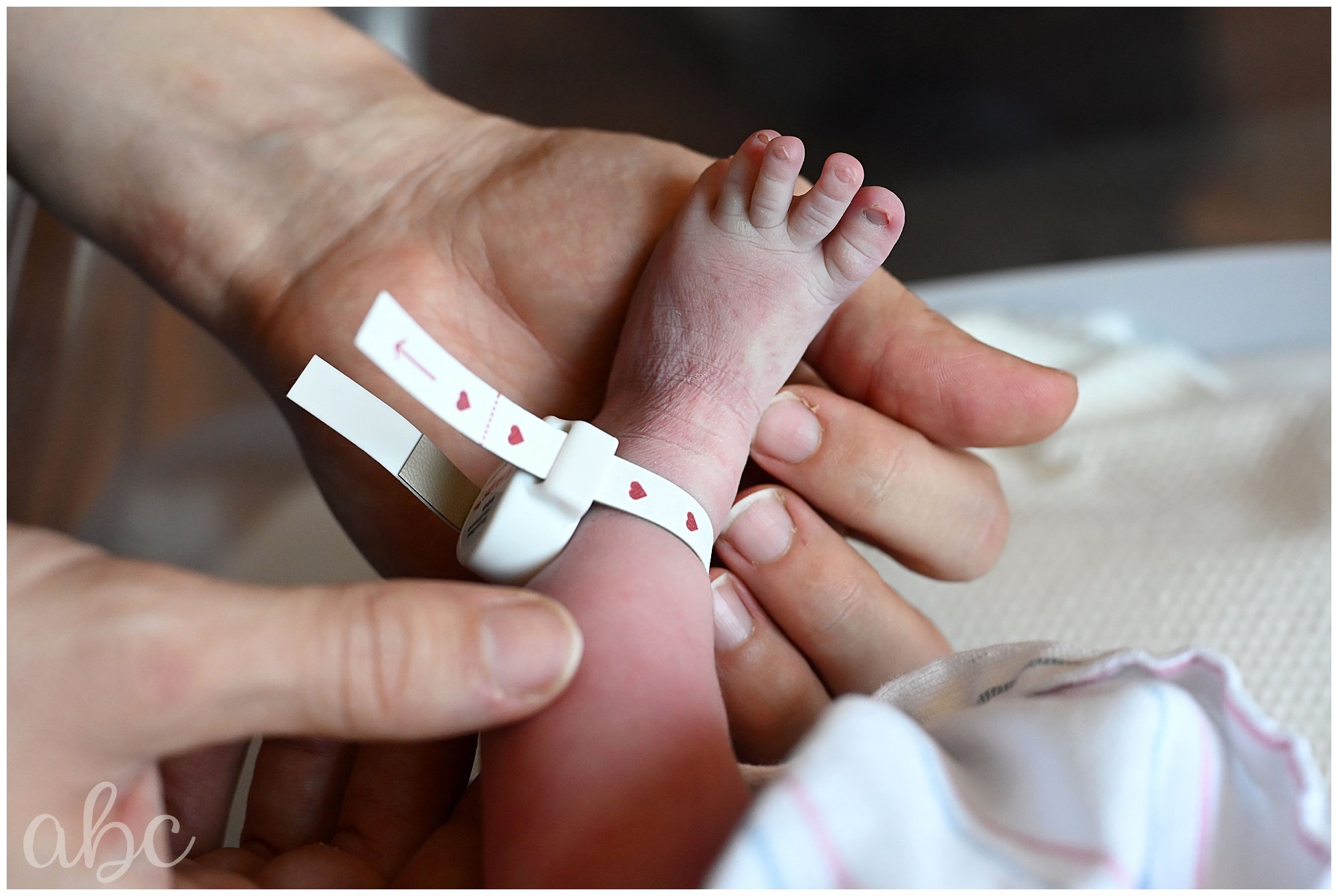
“Even just typing all of this out has been very therapeutic!”
Recognizing the Warning Signs: When to Seek Extra Help
It can be difficult to tell the difference between "normal" third-trimester nerves and a Perinatal Mood or Anxiety Disorder (PMAD). If you or your partner notice the following warning signs, please reach out for professional support:
Persistent feelings of dread or doom that do not resolve with grounding.
Physical symptoms of panic, such as chest pain, shortness of breath, or a racing heart, that occur even when you are resting.
Intrusive, repetitive thoughts about harm coming to yourself or the baby.
A total inability to sleep, even when the baby isn't moving and you are physically exhausted.
Feeling disconnected from your pregnancy or an overwhelming sense of hopelessness.
Supporting Your Mental Health with Atlanta Birth Collective
You are safe, you are protected, and you are doing a hard thing well. Navigating the end of pregnancy requires a village, and that includes mental and emotional support.
Are you looking for support to navigate pregnancy anxiety in Atlanta? At Atlanta Birth Collective, we provide the grounding, evidence-based care you need to move through your third trimester with confidence. Contact us today to learn how our doula team can help you find peace as you prepare for your new beginning.