Healing After a Cesarean: Your Scar
A North Atlanta Pelvic Floor PT Explains C-Section Scar Recovery
When it comes to postpartum recovery, cesarean births require specialized attention. While your OBGYN’s job is to ensure a safe delivery, the long-term rehabilitation of your core and pelvic floor is a different story.
To help clear up the misconceptions around C-section recovery, we sat down with the team at Progressive Pelvis to discuss what happens to your body after a cesarean, the symptoms you shouldn't ignore, and how pelvic floor physical therapy helps parents reclaim their bodies.
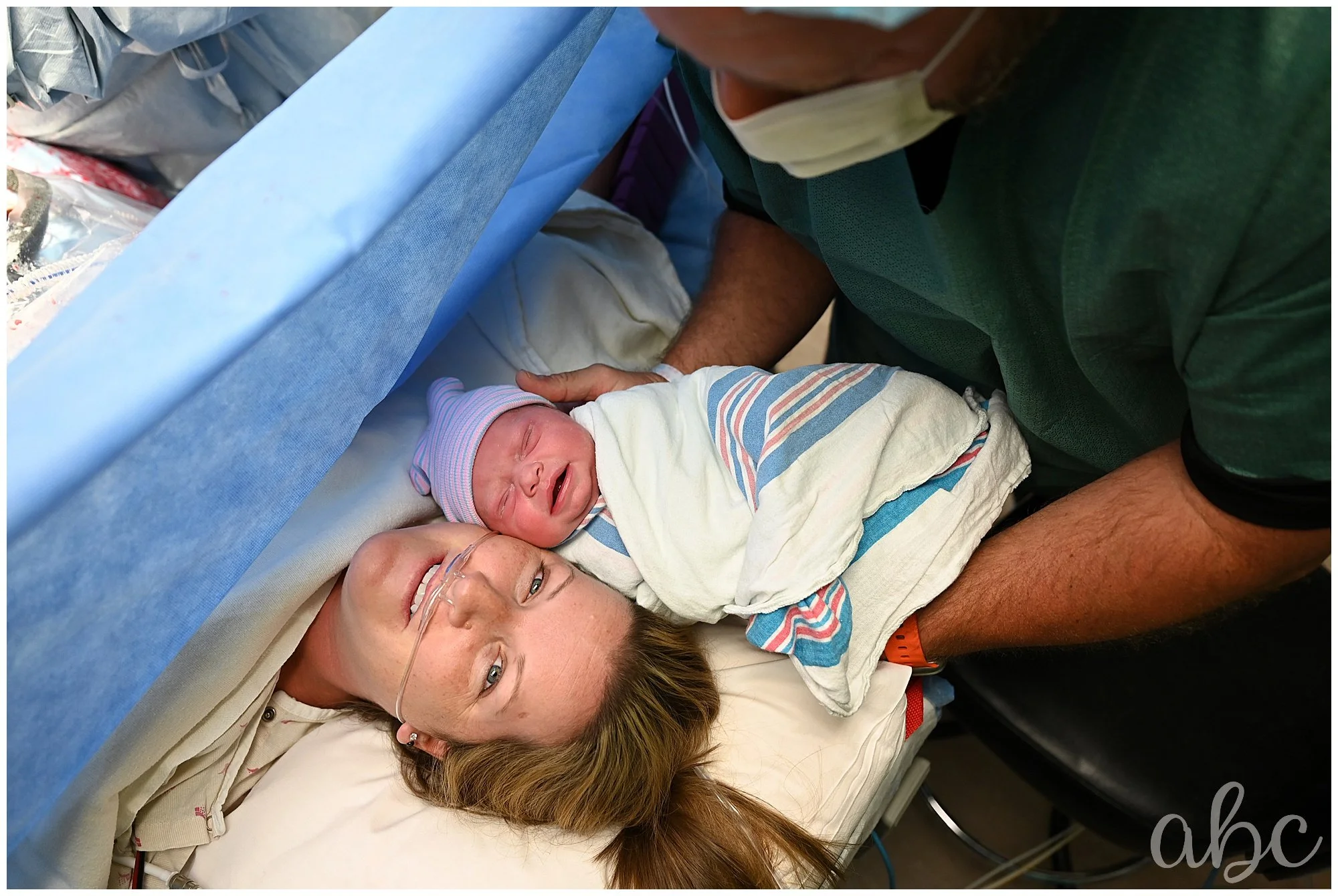
What do you wish more women understood about C-section scar recovery?
While performing a cesarean surgery is your OBGYN’s expertise, rehabilitation is not. Your surgeon was responsible for getting the baby out safely and making sure they did the surgery correctly. That’s a big job. Rehabilitation to get you back to full strength was never their obligation.
That’s where pelvic floor physical therapists step in. A referral to pelvic floor therapy should be as automatic as rehab after an ACL procedure, but it is unfortunately not. It is absolutely true these OBGYNs are saving lives and we appreciate their skillset, however, follow-up care is largely missed and many feel hopeless about what to do after to help themselves.
It is often up to the patient to advocate for themselves. In the state of Georgia, you do not need a referral to get started with pelvic floor physical therapy, so don’t hesitate to reach out to a therapist directly.
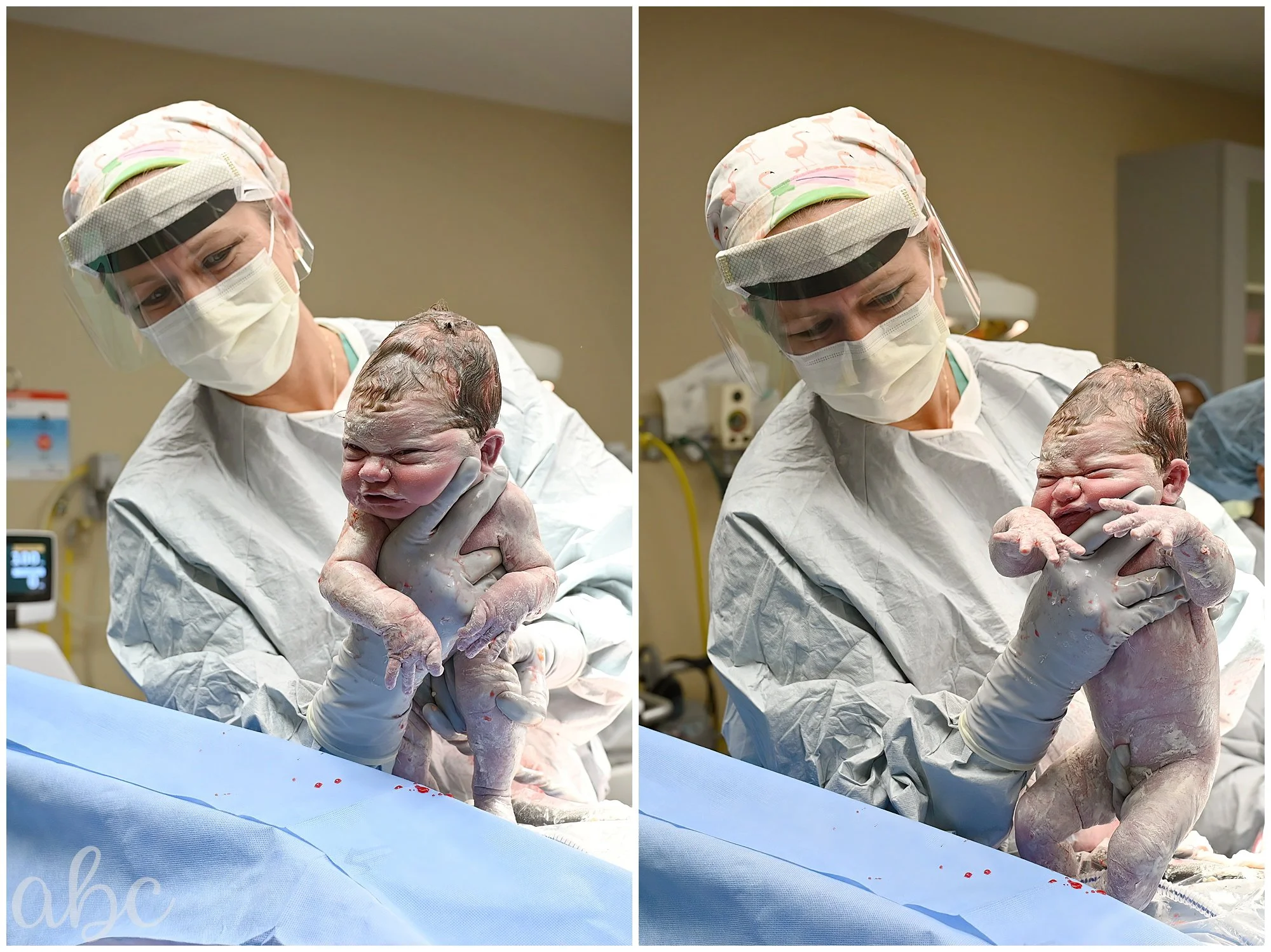
How can a C-section scar affect the pelvic floor, core, bladder, bowels, and sexual function?
A cesarean surgery cuts through many layers of tissue: skin, fat, fascia, muscles, peritoneum, uterus, and the amniotic sac. The scar tissue that forms when looked at under a microscope is no longer structured, but haphazard tissue. This scarring can prevent good activation of the muscles, often constricting various layers of tissue.
Manual therapy, dry needling, cupping, and mobilization are helpful to separate these layers. Muscles often need to be re-integrated or coordinated to be fully functional. Scarring can also lead to a shelf-like appearance, which leaves people feeling like they don’t recognize their own body.
Furthermore, numbness of the area can yield more feelings of disconnect. Having increased awareness of this difference can interfere with pleasurable experiences and even limit one’s ability to orgasm.
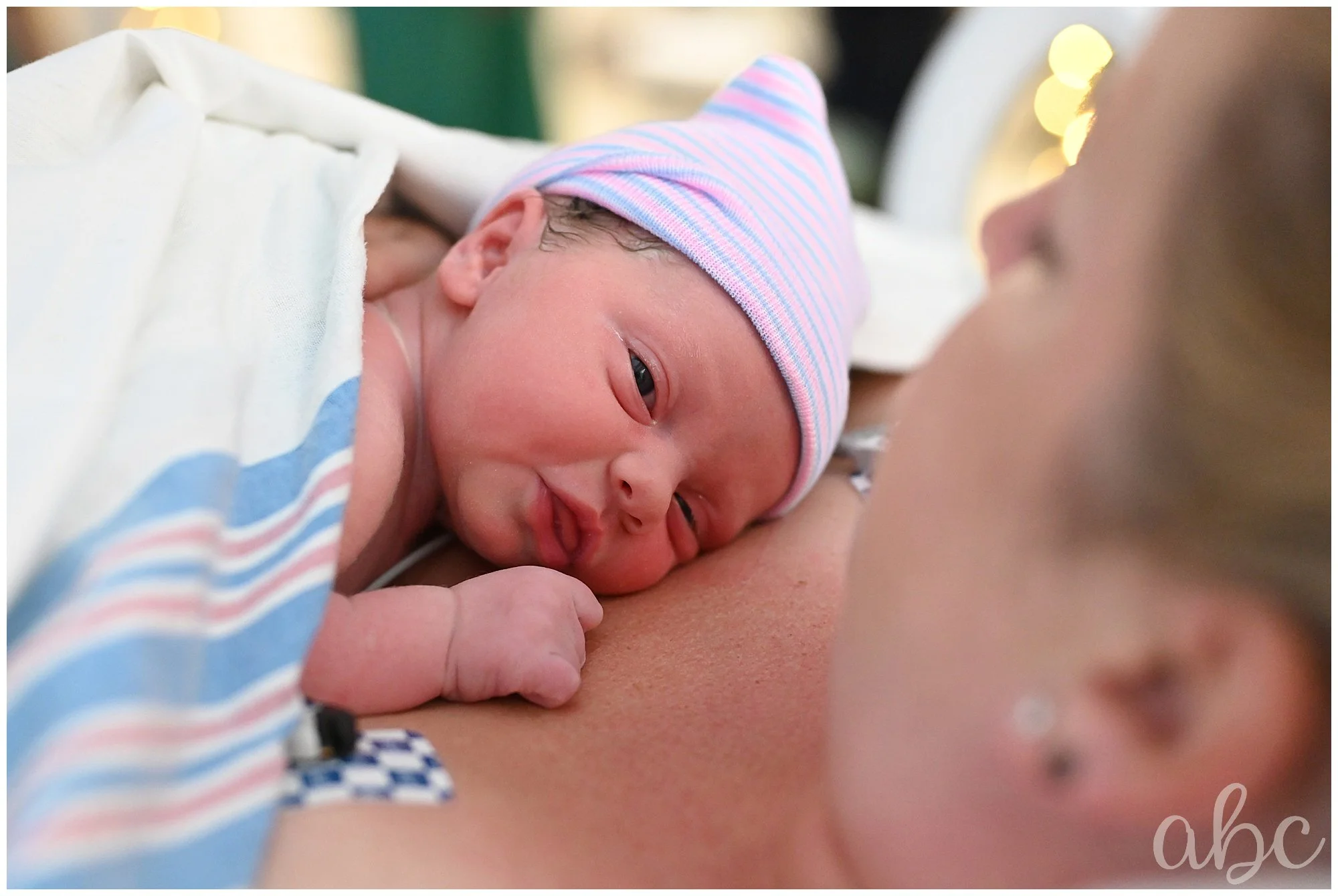
What symptoms do you commonly see that people do not realize may be scar-related?
Low back discomfort is the most common. This can manifest even years following the cesarean. Abdominal discomfort, constipation, and bowel issues like bloating or gas also frequently occur, but they are treatable.
What myths do you wish you could clear up about healing after a C-section?
The myth that you cannot have a vaginal birth after a cesarean. A VBAC is very common now and entirely possible with enough time between births. Push practice can be offered at a pelvic floor facility, which can help you understand how to open up the outlet, reduce tearing, and allow the baby through with greater ease.
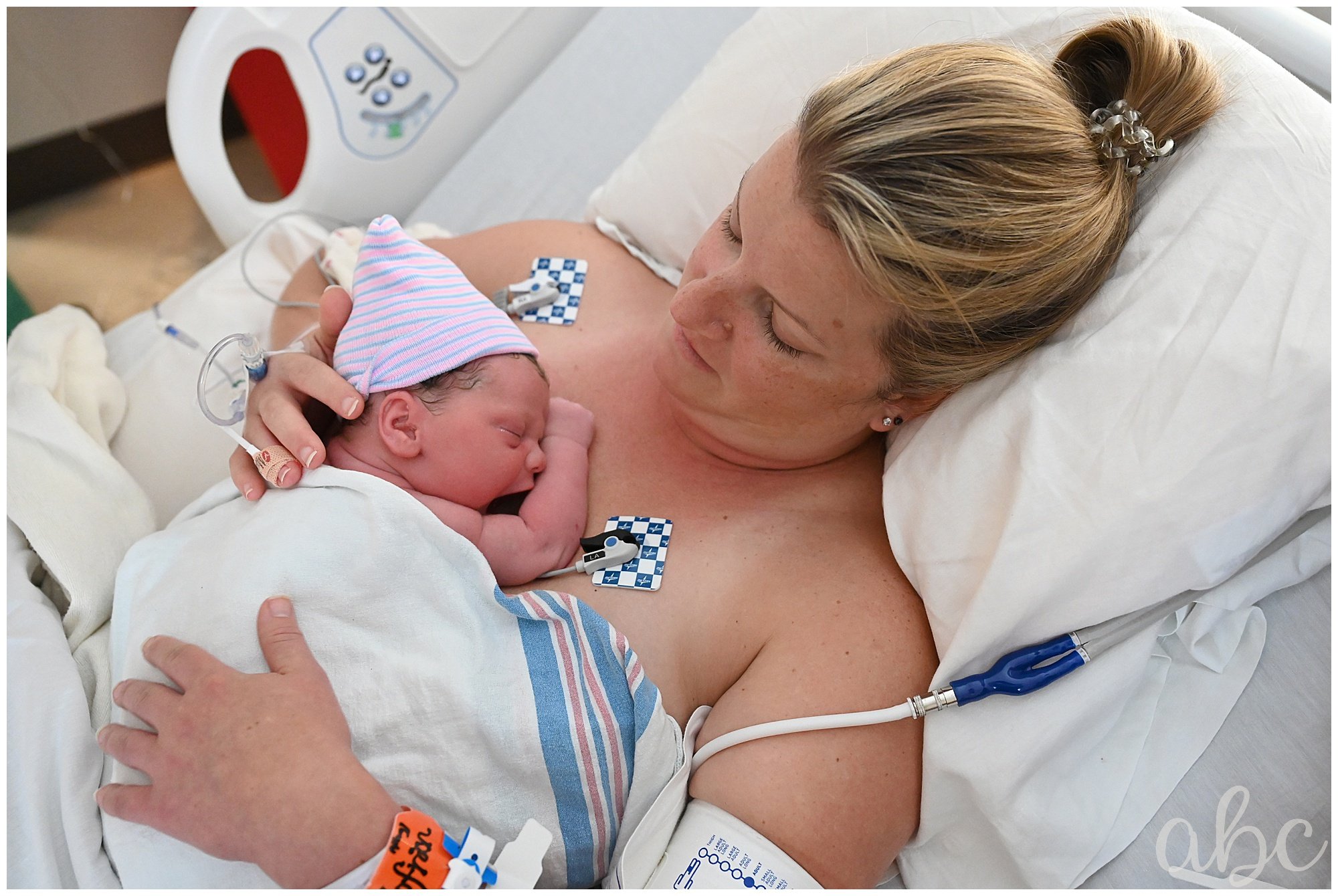
What kinds of techniques might a pelvic floor PT use to help scar recovery?
We often start with hands-on scar tissue manipulation and advise people on how to address this tissue on their own at home. At Progressive Pelvis, we use dry needling as well as cupping to assist those tissues with better movement and blood flow, decreasing restrictions.
How do you help women reconnect with an area that feels numb, tight, or disconnected?
We like to start where the disconnect has happened. Sometimes that is fear-based or in the mind. This is typically more common when the cesarean was emergent and unexpected after a long pushing period.
We can begin with visualization and addressing some of the barriers and fears people have with looking at their belly and even feeling it with their hands. We use the breath to connect and open up the belly to allow the area to stretch and feel again, reducing numbness. Then we can begin to engage the muscles to actively stabilize and strengthen.

What are signs someone should seek pelvic floor PT instead of waiting it out?
If you are feeling disconnected from your abdominal muscles and having a hard time with movements, you should absolutely see someone sooner rather than later. Seeing a pelvic floor therapist after surgery, regardless of symptoms, can prevent issues from happening later on.
Thank you to Progressive Pelvis PT for this post!
Progressive Pelvis Physical Therapy is a women-owned pelvic floor therapy clinic with locations in East Cobb and West Cobb in Marietta, GA. Known for compassionate, trauma-informed care, they specialize in pelvic floor dysfunction, pregnancy and postpartum care, chronic pain, pediatric bowel and bladder concerns, vulvodynia, endometriosis, and pregnancy-related pain.
Their team provides customized care for all ages and genders, using advanced manual therapy, dry needling, cupping, pain neuroscience education, and other evidence-based approaches to address root causes and support long-term healing.
Virtual care is available throughout Georgia. Progressive Pelvis also offers massage therapy specializing in pregnancy, postpartum, and lymphatic work.
Instagram: @progressivepelvis
Website: www.progressivepelvis.com
Phone: 770.765.3303
Planning Your Postpartum Recovery in North Atlanta
Recovery after a cesarean takes time, intention, and the right support team. At Atlanta Birth Collective, our doulas work alongside families throughout Woodstock, Canton, and the surrounding areas to ensure you have the resources, local provider recommendations, and hands-on care you need to heal completely.
If you are preparing for a birth or navigating postpartum recovery, reach out to us today to learn how our collective can support your journey.